


Oyuncular hızlı erişim sağlamak için bahsegel adresini kullanıyor.
bahsegel güncel giriş paribahis bettilt giriş bettilt girişBahis oranlarını anlık olarak güncelleyen bettilt profesyonel bir altyapıya sahiptir.
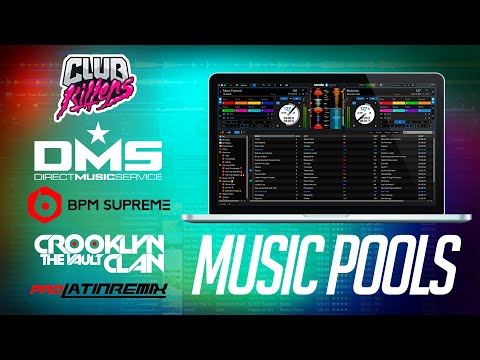
Music for DJing at Clubs: Practical Guidance for UK DJs
Understanding the Role of Music in Club DJing
In a club environment the music you choose sets the mood, drives the crowd and defines your reputation as a DJ. Unlike a bedroom setup, club sound systems demand tracks with strong low?end, clear mids and a steady rhythm that can fill a large space without losing impact. Knowing how to read a dancefloor and match the energy of the room is as important as the technical skills on the decks.
For UK DJs the local scene often blends house, techno, grime, drum?and?bass and mainstream pop, meaning a versatile catalogue is essential. When you understand the musical expectations of your venue, you can curate a library that feels both fresh and familiar, reducing the risk of dead?air moments that can cause the crowd to lose interest.
How to Build a Club?Ready Music Library
Sourcing Tracks from Record Pools
Record pools are subscription?based services that give DJs legal access to thousands of club?ready tracks each month. They are the most efficient way to keep your collection up?to?date, especially when you need fresh releases from major labels and emerging artists alike. Most UK?based pools offer high?quality WAV or AIFF files, which preserve the detail needed for large venue sound systems.
When selecting a pool, check that it provides regular genre?specific playlists, DJ?friendly edits (extended intros/outros) and a clear licensing policy that covers public performance in clubs. A well?run pool will also let you preview tracks in the web player before you download, saving bandwidth and storage.
Curating by Genre and Energy
After you have access to a broad catalogue, the next step is organising it in a way that mirrors the flow of a typical club set. Create folders or playlists for “Warm?Up”, “Peak Hour”, “Late?Night” and “Close?Down”. Within each folder, sort tracks by BPM range and key to simplify harmonic mixing on the fly.
Tagging tracks with mood descriptors such as “uplifting”, “dark”, or “groove?heavy” helps you quickly locate the right vibe when the crowd’s energy shifts. Many DJs also use colour?coding in their software libraries to visualise the energy level of each track at a glance.
Key Features to Look for in a DJ Music Service
- Catalogue Size and Refresh Rate: A large, regularly updated library ensures you always have fresh material.
- File Quality: Lossless formats (WAV/AIFF) are preferred for club sound systems.
- Search and Filtering Tools: Ability to filter by BPM, key, genre, and mood.
- Legal Clarity: Clear licensing for public performance in UK venues.
- Integration: Direct sync with popular DJ software such as Rekordbox, Serato and Traktor.
Comparing Popular Sources for Club Music
| Service | Monthly Cost (GBP) | Catalogue Size | UK Licensing | Software Integration |
|---|---|---|---|---|
| BPM Supreme | £24.99 | ? 100,000 tracks | Included for UK venues | Rekordbox, Serato, Traktor |
| DJcity | £27.99 | ? 85,000 tracks | Standard public?performance licence | Serato, Rekordbox |
| Beatport LINK | £19.99 | Streaming catalogue, 50,000+ tracks | Streaming licence covers UK clubs | Native integration with Rekordbox, Serato |
| Soundsource | £18.99 | ? 75,000 tracks | Clear UK licence | Traktor, Rekordbox, Serato |
All the services listed above cater to UK DJs, but the best choice depends on your workflow preferences, budget and the DJ software you rely on most. If you value offline storage, a traditional download pool like BPM Supreme may suit you better than a streaming?only service.
Practical Workflow: From Download to the Deck
- Log into your chosen record pool and browse the latest releases in your target genre.
- Use the filter tools to narrow results by BPM (usually 120?130 for house, 130?140 for techno, etc.) and key.
- Preview the track, then download the lossless version to your hard drive or external SSD.
- Import the file into your DJ software’s library, applying any custom tags or colour?codes.
- Analyse the track for beatgrid and key detection – most software does this automatically, but double?check for accuracy.
- Place the track in the appropriate playlist (e.g., “Peak Hour – House”).
- During a gig, use the playlist to cue tracks that match the current crowd energy, and blend using harmonic mixing techniques.
Pricing, Subscription Models and What They Mean for Your Budget
Most DJ music services operate on a monthly subscription, though many offer discounted annual plans. For freelancers or part?time DJs, a month?to?month plan provides flexibility and reduces upfront costs. Larger venues or resident DJs may benefit from a bulk licence that covers multiple decks and staff members.
When evaluating cost, consider the hidden value of features such as unlimited downloads, high?resolution audio, and the ability to store tracks offline. A slightly higher price may be justified if it removes the need for additional storage solutions or if it includes a licence that covers all your performances in the UK.
Integration with DJ Software and Hardware
Rekordbox
Rekordbox users appreciate seamless sync with pools that provide a dedicated Rekordbox folder. This allows you to download directly into the software’s library without manual import, preserving cue points and colour?coding.
Serato DJ Pro
Serato’s “SFX” folder works well with pools that include dedicated Serato packs. Many services also offer a “Serato Ready” label, ensuring track metadata aligns with Serato’s requirements.
Traktor Pro
Traktor integrates via standard folder watching, so any pool that supplies lossless files can be used. Some providers even supply pre?analysed Traktor tags, reducing the time spent on beat?grid correction.
Support, Reliability and Legal Considerations
- Customer Support: Look for 24/7 chat or email support, especially if you encounter licensing questions before a gig.
- Uptime Guarantees: A reliable download portal is crucial; downtime during a release week can leave you without fresh tracks.
- Legal Compliance: Ensure the service’s licence explicitly covers public performance in UK clubs to avoid potential copyright issues.
- Data Security: Choose providers that store your account information securely and offer two?factor authentication.
Making the Final Choice – Decision Checklist
| Factor | Essential? | Notes for UK DJs |
|---|---|---|
| Catalogue relevance to club genres | Yes | Look for strong house, techno, drum?and?bass sections. |
| Lossless audio quality | Yes | Ensures sound system fidelity. |
| UK public?performance licence | Yes | Must be included or purchasable. |
| Software integration | High | Native support for Rekordbox, Serato or Traktor. |
| Pricing flexibility | Medium | Monthly vs annual discounts. |
| Customer support responsiveness | Medium | Important for last?minute issues. |
By reviewing each factor against your own workflow, you can pinpoint the service that best matches your needs without overspending.
Conclusion
Choosing the right source of music for DJing at clubs is a blend of practicality and personal taste. Focus on legal clarity, high?quality audio, seamless software integration and a catalogue that reflects the energy of UK club nights. With the guidance above, you’ll be equipped to build a robust library, streamline your workflow and keep the dancefloor moving night after night.
Ready to explore a curated selection of club?ready tracks? Visit https://music-for-djing.com/ for more information.
