


Oyuncular hızlı erişim sağlamak için bahsegel adresini kullanıyor.
bahsegel güncel giriş paribahis bettilt giriş bettilt giriş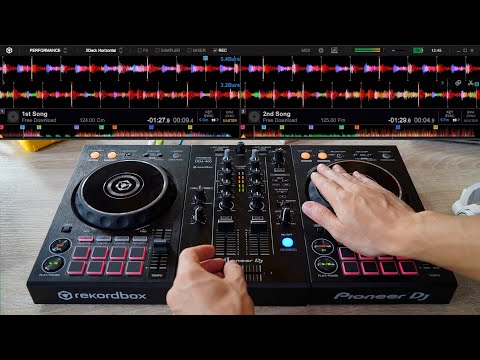
Music Download Sites vs Record Pools: Practical Guidance for DJs
Understanding the Basics: What Are Music Download Sites and Record Pools?
Music download sites are online platforms where DJs can purchase individual tracks or whole albums on a per?track basis. They usually operate like a digital storefront, offering a catalogue that spans mainstream chart hits, underground releases, and everything in between. Payments are typically one?off, and the tracks are delivered as high?quality MP3 or WAV files that you can store on any device.
Record pools, on the other hand, function as subscription?based services that provide members with a constantly refreshed library of DJ?ready music. Curators – often experienced DJs themselves – sift through new releases, label promos and exclusive edits, then upload them to a shared pool. Members download as many tracks as they need for the duration of their subscription, which is usually billed monthly or annually.
Who Benefits Most from Each Option?
If you are an occasional gig?keeper or a hobbyist who only needs a handful of tracks for a specific event, a music download site can be more cost?effective. You pay only for the songs you actually use and retain ownership indefinitely, which is useful for building a personal archive.
For resident DJs, club performers, or mobile professionals who need fresh content every week, a record pool tends to deliver better value. The subscription model removes the per?track pricing barrier, making it easier to experiment with new genres and keep sets up?to?date without constantly checking multiple storefronts.
Key Features and Benefits Compared
Music Download Sites
- Pay?per?track pricing gives total control over spending.
- Instant licence for personal performance – no additional fees after purchase.
- Large, searchable catalogues from major and independent labels.
- Often include high?resolution audio options (FLAC, AIFF).
Record Pools
- Unlimited downloads during the subscription period.
- Curated playlists and genre?specific channels streamline discovery.
- Access to exclusive DJ edits, stems and remix packs.
- Integrated analytics dashboards show trending tracks among peers.
Pricing Models and Cost Considerations
Music download sites generally charge anywhere from £0.79 to £1.79 per track, with occasional bulk discounts or bundle offers. A DJ who purchases 30 tracks a month could spend between £24 and £54, plus any transaction fees. Some platforms also run promotional sales that can lower the average cost.
Record pools typically offer tiered subscriptions: a basic tier might start at £25 per month for a limited genre selection, while a premium tier could reach £45?£60 per month with unrestricted access to all genres, high?resolution files and additional services such as automatic playlist generation. Annual plans often provide a 10?15?% discount, making the effective monthly cost lower for long?term users.
Workflow Integration: How They Fit Into a DJ’s Setup
Both music download sites and record pools can be integrated into popular DJ software such as Rekordbox, Serato, Traktor and Virtual DJ. Most services allow you to export tracks directly into the software’s library, preserving cue points and beat?grid data. Some record pools even offer plug?ins that sync the pool’s catalogue with your deck in real time, reducing manual file management.
When choosing a service, consider your typical workflow: if you prefer to organise tracks manually and keep a tightly curated library, a download site with selective purchases may feel more natural. If you rely on rapid set?building and enjoy exploring fresh releases daily, a record pool’s automated feed can speed up preparation considerably.
Reliability, Security and Support
Established music download sites invest heavily in server reliability and DRM?free distribution, ensuring that once a track is purchased it remains accessible even if the platform experiences downtime. Customer support is often available via live chat or email, with response times measured in hours rather than days.
Record pools operate on subscription models that depend on continuous content updates. A reliable pool will guarantee a minimum number of new tracks each week and provide transparent uptime statistics. Look for pools that offer 24/7 support channels and a clear policy on data retention, especially if you rely on their service for regular gig preparation.
Pros and Cons – Quick Reference Table
| Aspect | Music Download Sites | Record Pools |
|---|---|---|
| Cost Structure | Pay per track; flexible budgeting | Fixed subscription; unlimited downloads |
| Content Ownership | Permanent ownership of purchased files | Access only while subscription is active |
| Discovery Speed | Manual search; depends on user effort | Curated playlists and daily updates |
| Genre Coverage | Broad, but may lack niche promos | Often includes exclusive club?ready edits |
| Support | Standard e?mail/chat support | Dedicated account managers for premium tiers |
How to Choose the Right Service for Your Needs
Start by evaluating how often you need new music. If you play gigs less than once a month, a pay?per?track model may keep costs lower. Conversely, if you spin weekly or have a residency, the subscription model of a record pool will likely deliver better value.
Next, consider the genres you specialise in. Some record pools focus on electronic dance music, hip?hop or drum & bass, while others aim for a more eclectic mix. Match the pool’s catalogue to your style, or opt for a download site that offers a broader selection if you cross?genre frequently.
Finally, test the user experience. Most record pools provide a free trial period of 7?14 days; use this window to assess the interface, download speeds and the relevance of curated playlists. For download sites, browse the catalogue and read user reviews to gauge file quality and payment security.
Frequently Asked Questions
- Can I use tracks from a record pool for commercial events? Yes, most reputable pools include a commercial licence in the subscription, but always confirm the specific terms.
- Do music download sites offer refunds? Refund policies vary; many platforms allow refunds for accidental purchases within a short window, typically 24?48?hours.
- Is it legal to share downloaded tracks with other DJs? No. Purchased files are for personal use only, whereas record pool tracks are licensed for the subscriber’s own performances.
- Do any services integrate directly with streaming platforms? Some record pools provide links to Spotify or Apple Music for previewing, but actual downloads remain separate to ensure high?quality, offline files.
Whether you lean towards a flexible pay?per?track approach or the all?you?can?download model of a record pool, making an informed decision will keep your sets fresh and your budget in check. For a deeper dive into the options available, visit music-download-sites-for-djs.com.
